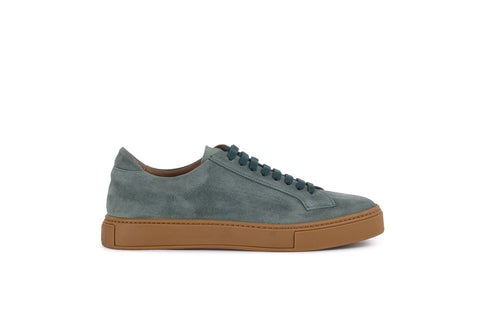
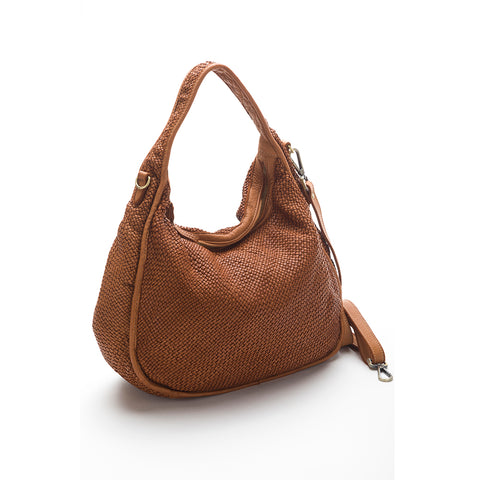
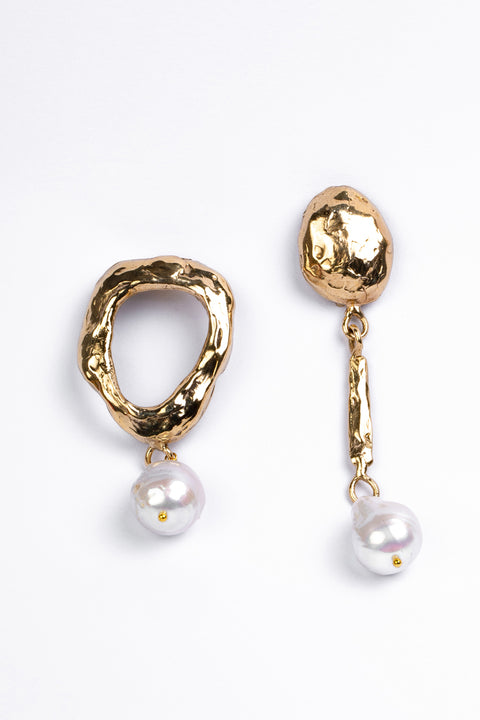
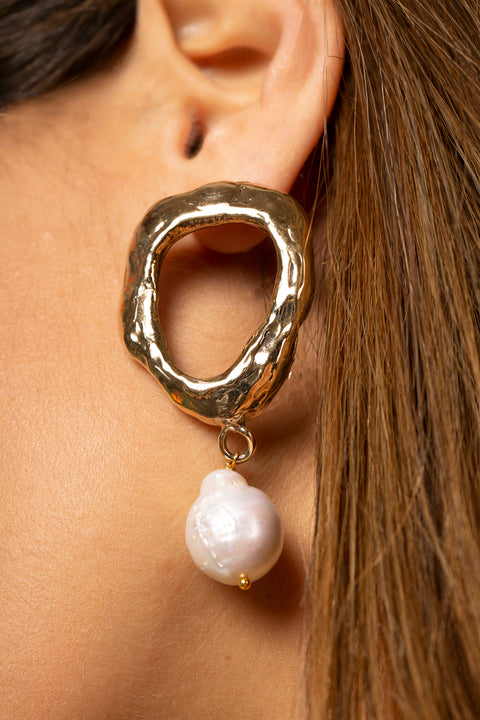
Made in Italy high quality is a phrase people use as if it were a guarantee. The more accurate answer to “Is made in Italy high quality?” is: often, yes but only when the label reflects real manufacturing substance, not just a marketing story. “Made in Italy” is an origin claim; “high quality” is what you can check in materials, construction, finishing, durability and consistency.
That’s why you’ll find both praise and skepticism online. Some makers describe “Made in Italy” as rigorous processes and craft culture, while others argue the label can be used loosely. The truth is in the middle: Italy can produce exceptional quality, but the label alone is not a lab report. The good news is that buyers can verify quality without becoming detectives and that’s exactly the kind of sourcing workflow VIAMADEINITALY is built to support.
Why “Made in Italy” often correlates with high quality
Italy’s reputation grew from dense manufacturing districts where specialist skills compound over generations—leather cutting, stitching, finishing, knitwear, tailoring, hardware, and pattern-making. When the ecosystem works, “Made in Italy” becomes shorthand for experienced hands + proven processes + aesthetic intelligence. Even institutional messaging frames Made in Italy as a collective capability focused on devising and creating high-quality goods, not merely a slogan.
In product terms, quality usually shows up in small signals: clean edge paint on leather goods, stable stitching, refined hand-feel, consistent sizing, and finishing that doesn’t look rushed. Just as important is process control: reliable material sourcing, repeatable production steps, and quality checks that reduce returns and post-delivery surprises. This is why the idea of made in Italy high quality persists: because in many categories, Italy still hosts the technical talent and infrastructure to deliver it.

Where the label stops and quality starts
Country-of-origin labeling is tied to rules such as the EU’s “last substantial transformation” concept: if multiple countries are involved, origin is assigned where the final substantial processing takes place. That makes “Made in Italy” meaningful, but not automatically a complete story about materials, ethical standards, or the best possible workmanship. A product can be legitimately “Made in Italy” and still be entry-level, just as an excellent product can be made elsewhere.
This is the gap skeptics point to when they say “Made in Italy doesn’t mean anything.” What they usually mean is: the label can’t replace evaluation. If a brand hides its supply chain, uses vague language (“Italian style,” “crafted with care”), or won’t discuss where key steps happen, you can’t know whether you’re paying for quality or paying for the aura of Italy. In short, made in Italy high quality is a probability, not a promise.
How buyers can verify made in Italy high quality in sourcing
The fastest approach is to combine origin clarity with product evidence. Ask where the decisive steps happen for that category: for leather goods, cutting, stitching/assembly, finishing, and final QC; for apparel, cutting, sewing, and finishing. Then match that story to tangible signals: material specs, construction photos, production capability, and sample evaluation. If you need a baseline on what an origin claim can and cannot tell you, keep our reference on the made in italy label handy, and remember that “Made in Italy” behaves like a reputation layer more than a single owner-controlled identity, as explained in our guide to the made in italy brand.
Where VIAMADEINITALY helps is by reducing the starting uncertainty. Instead of hunting across the internet, buyers can begin in an italian wholesale, made in italy wholesale environment designed around supplier discovery and structured communication. From there, you can explore italian products wholesale assortments, shortlist options that fit your positioning, and request the evidence that matters for your standards.
And here’s the business reality: many of the best Italian makers are not famous brands. They are specialist suppliers who manufacture for multiple labels and can deliver the same construction techniques with more flexibility on batches and margins. That’s why we focus on Verified Italian Manufacturers:so buyers source true craft, not Italian-sounding storytelling. If your goal is to work directly with the right workshops, start by browsing italian wholesale suppliers, and let our Italy-based team help you confirm the production reality behind the product.
The takeaway: “Made in Italy” can absolutely be high quality, but the label is the beginning of the assessment, not the end. When origin is clear, materials are specified, and workmanship is consistent, made in Italy high quality becomes a repeatable sourcing standard not a guessing game.