The question “What is the best leather in Italy?” sounds simple, but “best” depends on what you’re making: a bag that should develop patina, a shoe that must handle rain, a jacket that needs softness, or an accessory that must stay crisp for years. Still, when people search best leather in Italy, they’re usually pointing to a specific combination: high-grade hides, expert tanning and consistent finishing delivered by one of Italy’s leather districts.
There’s also a reason the internet keeps repeating the same idea: Italy is widely associated with full-grain, vegetable-tanned leather as a premium standard. That doesn’t mean every Italian leather is automatically top-tier, but it does explain why “Italian leather” became a category-level signal for quality across bags, shoes, apparel and accessories.
Best leather in Italy: why full-grain + great tanning matters
If you want a practical definition, “best” often starts with full-grain leather. Full-grain means the surface of the hide is not heavily sanded or corrected, so the natural grain stays intact. In real-world use, that usually translates to better strength, more character and a longer life, especially compared to heavily corrected leathers that rely on coatings to look perfect.
The second half of the quality equation is tanning. Vegetable tanning uses natural tannins (from plant sources) to transform hide into leather. It’s slower, more demanding and loved by buyers who want leather that ages beautifully. It’s also why you’ll hear about “patina”: the surface tone deepens over time and the leather develops a look that feels personal rather than uniform.
But a nuance matters: vegetable-tanned is not automatically “best” for every use-case. If you need maximum softness, water resistance, or bright fashion colors, other tanning and finishing approaches may be more appropriate. Quality is not one material: it’s the right material for the right job.

Where Italy’s best leather is made: districts, standards and reputation
Italy’s leather reputation is not abstract. It’s geographic. Tuscany’s tanning ecosystem, especially around the Arno area, is one of the most referenced hubs for vegetable tanning, with a long craft tradition and a culture of specialization. There is even a dedicated consortium for genuine Italian vegetable-tanned leather made in Tuscany, built around a quality trademark and shared standards that protect the identity of this material.
In parallel, Northern Italy hosts major leather production capacity too. The Veneto area, including the broader Arzignano district, is often described as one of the largest tanning districts in Italy, supplying multiple industries and supporting high-volume production alongside premium finishing. Taken together, these districts explain why Italy can deliver both heritage craft and industrial consistency, two things buyers need when they scale.
The most useful takeaway for a buyer is this: “best leather in Italy” is frequently shorthand for district-level capability. When you work with suppliers connected to these ecosystems, you’re not only buying a hide—you’re buying access to a network of know-how: finishing methods, reliable components and repeatable quality control.
How B2B buyers choose the “best” leather for products and collections
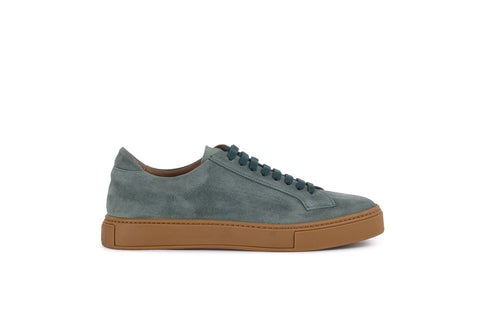
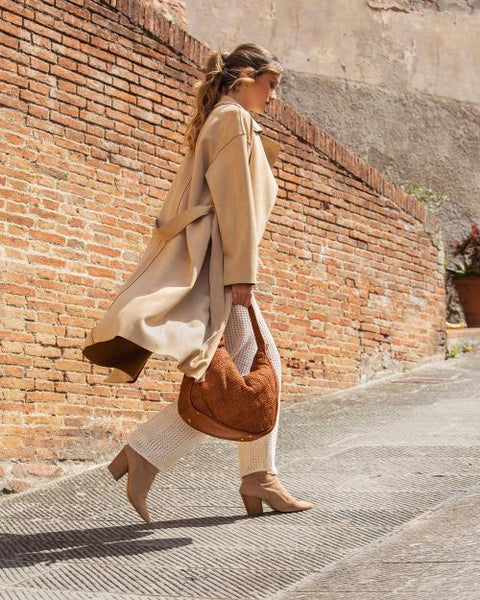
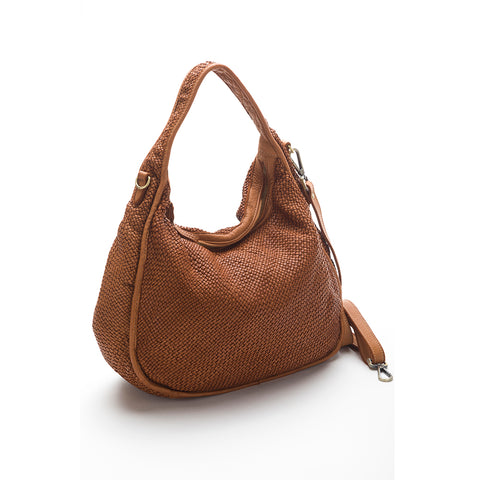
In wholesale, “best” should be defined by performance and commercial goals. For bags, buyers often value full-grain structure, edge finishing and durability so a premium leather choice can become a brand signature. For shoes, the best leather may be the one that balances comfort, flex and wear resistance. For clothing, drape and softness matter more than stiffness. For accessories, surface consistency and finishing stability can be critical because small defects are more visible at close range.
This is why serious buyers don’t stop at “Italian leather.” They ask for the material’s specs: thickness range, finish type, color fastness expectations and how the leather behaves with use. They also validate repeatability across batches, because the best leather is only “best” if the supplier can deliver it consistently across reorders.
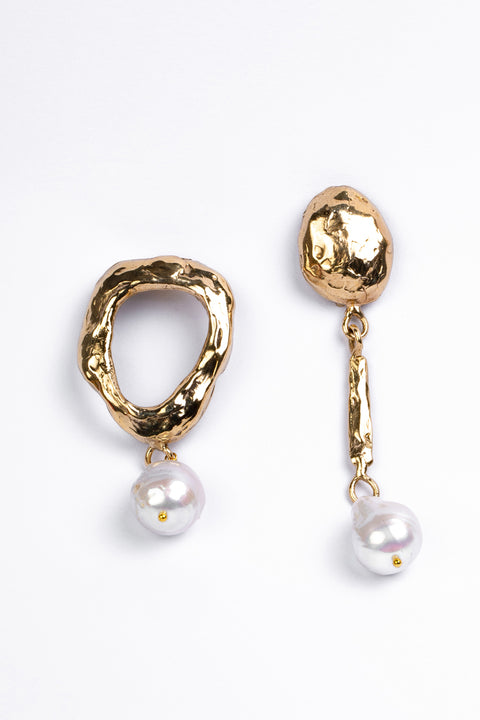
VIAMADEINITALY helps you do this without starting from random search results. Our marketplace is built for B2B discovery across categories that rely on leather and leather know-how. You can explore finished goods such as italian bags wholesale, italian shoes wholesale, italian clothing wholesale and italian accessories wholesale, or go upstream if you need materials through italian raw material wholesale.
The takeaway: the best leather in Italy is not one single leather, it’s a sourcing standard. When you define “best” by function, verify specs and choose suppliers grounded in Italy’s manufacturing ecosystems, leather becomes a competitive advantage not a guessing game.